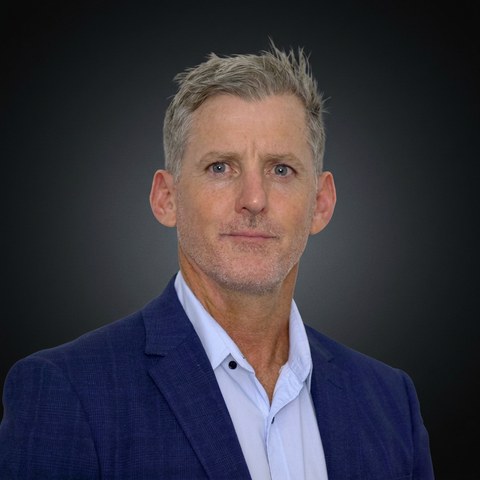
Ascendera's high performance practice is led by Doctor Dan Cooper. He combines nearly two decades in Australian special operations, including the Special Air Service Regiment, with a PhD in psychophysiology and two master's degrees. He established the regiment's human performance programme and later worked in elite sport. His expertise connects cognition, stress and human performance with the judgement of leaders and teams under pressure. He brings that experience into practical methods for the boardroom and the operating environment.
Some decisions cannot be taken back. A board commits capital. An operating team faces a changing situation. Both depend on judgement under pressure, with incomplete information. Ascendera develops this capability in organisations, teams and individuals.
Consider an executive team defending a commitment it has already made. We work on testing assumptions, inviting structured dissent and recognising escalation of commitment. A premortem examines possible failure before the decision. Briefing and read back make the decision clear to those who must act.
Now consider a supervisor facing a job that is already behind. Attention narrows, and someone else holds information that matters. Practice develops recognition of those cues, speaking up and decisions under realistic load. Debriefing turns the experience into the next improvement.
The practice spans decision making, stress and resilience, adaptive expertise, leadership and team effectiveness, assessment and coaching, and curriculum design. Scenarios and deliberate practice carry the capability into your environment. We also develop your own facilitators. Each population can be engaged separately.
We follow five moves: diagnose, design, deliver, assess and transfer. Before design begins, we define the behaviour in observable terms, name the observer and set the date. Delivery uses scenarios based on your decisions, followed by assessment in the conditions that matter.
Success is measured by behaviour transferring into work. Satisfaction measures the experience, not that transfer. Assessment informs a judgement rather than settling a question about a person. Individual results belong to the individual, with client reporting in aggregate.
You retain a capability diagnosis, standing decision routines, a curriculum and facilitator pack, an observable behaviour framework, and a debriefing method. Each has a clear owner, from the accountable executive and board to learning and development, line management and operations.
Start with a thirty minute conversation. Define the behaviour, diagnose one group, and deliver the first cohort with your facilitators in the room. Then decide whether to scale on measured transfer. Ascendera. High performance and critical thinking under pressure.